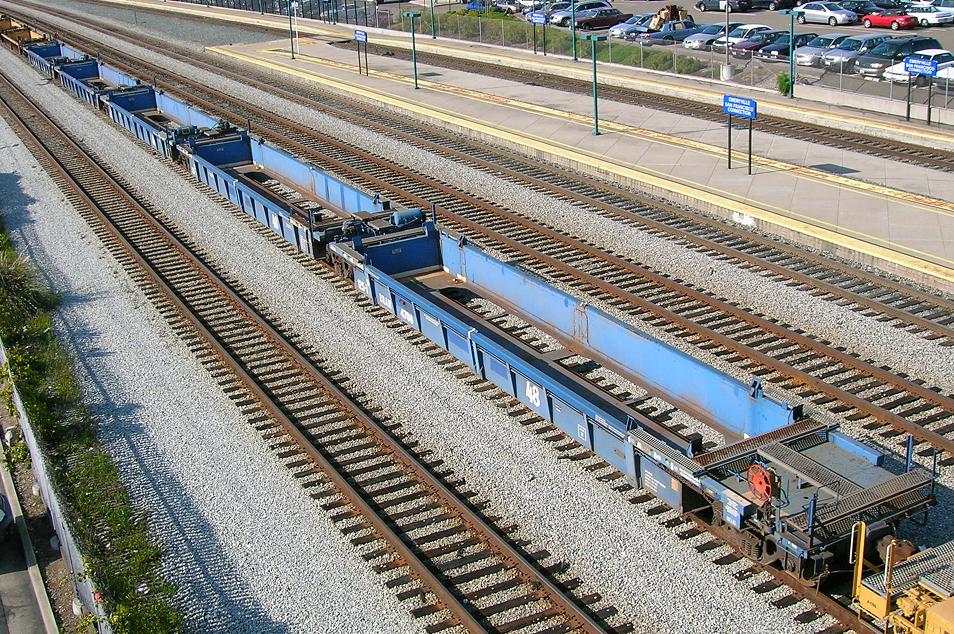
 After our presentation of sketches, we realized that we needed to add more "history of the site" into our proposal. We decided to try and incorporate the importance of railroads. We are trying to then incorporate the bed of a train and plots for community gardens. We are proposing to use the beds of the cars and turning them into plots! Pretty cool, huh?
Wednesday, November 11, 2009
A Break Through
After our presentation of sketches, we realized that we needed to add more "history of the site" into our proposal. We decided to try and incorporate the importance of railroads. We are trying to then incorporate the bed of a train and plots for community gardens. We are proposing to use the beds of the cars and turning them into plots! Pretty cool, huh?
Monday, November 9, 2009


Wednesday, November 4, 2009
Research Questions
On-Site Research Questions:
1. Q: What are the visible characteristics of your chosen site?
A: There is a concrete walkway throughout the park. Another visible characteristic is that there are two separate grass areas that are separated by the concrete walkway. There is also a natural prairie in the park that has a channel on the edge. Lastly, there is a flat small field in the northwest corner of the park.
2. Q: Is this site currently used? By whom? How?
A: This site is currently used by members of the community as a place to walk around, walk their dogs and/or play with their children.
3. Q: What defines the site/what are its boundaries?
A: The park is bounded on the west by a railroad track, on the east by the culdesac connected to Holts Dr., on the south by Washington St, and on the north by houses surrounding the culdesac connected to Foxwell Ct.
4. A: What is the visible/broader context of the site-what surrounds it?
Q: The broader context of this site is northern Champaign. All the houses in this neighborhood seems to stem, or be cut, from the same blue print, such as “kit homes,” which might have been influenced by the urban planning movement in the 60s; Thus, all of these homes might have been developed by one developer at a particular time.
5. A: Is there any visible conflict?
Q: There are no visible conflicts.
Off-site Research Questions:
1. Q: What histories or narratives are your team looking into/interested in?
A: How was the area we chose used within the past one-hundred years, and how have the changes made within the past 20-30 years affected the immediate community. For example, this site was along an old railway, which was an important mode of goods transport up until the 1950’s. We pose an alternate question: Can we use the existing water channel as a goods transportation device analogous to the now extinct railroad.
We are also interested in incorporating ideas from Belltown Paradise by incorporating some type of community garden in the space.
2. Q: Is this a history that connects directly to the specific site, or is it more generally related to the area?
A: The history of the railroad, which has been modified from its original position, is within the confines of the area we are looking at reinventing.
3. Q: What has occurred at the site in the recent and more distant past?
A: Recently, the site has been subject to a gamut of landscape architectural motifs; planting trees, reshaping the ground, and diverting water. Since at least 1951 this site was used for commercial business interests, whose buildings paralleled the railroad which transversed the area.
4. Q: Is there any story or conflict set in/near your location that isn’t visible at the site currently?
A: The site does not appear to have any visible conflicts.
5. Q: Who might have a stake in any changes made to this site (who would benefit or lose)?
A: Members in walking distance will benefit from the renovation, whereas members in the surrounding area, not within reasonable walking distance, might be inhibited by its use because of parking. However, the renovation might hinder the privacy of members that live in houses close to the culdesac.
1. Q: What are the visible characteristics of your chosen site?
A: There is a concrete walkway throughout the park. Another visible characteristic is that there are two separate grass areas that are separated by the concrete walkway. There is also a natural prairie in the park that has a channel on the edge. Lastly, there is a flat small field in the northwest corner of the park.
2. Q: Is this site currently used? By whom? How?
A: This site is currently used by members of the community as a place to walk around, walk their dogs and/or play with their children.
3. Q: What defines the site/what are its boundaries?
A: The park is bounded on the west by a railroad track, on the east by the culdesac connected to Holts Dr., on the south by Washington St, and on the north by houses surrounding the culdesac connected to Foxwell Ct.
4. A: What is the visible/broader context of the site-what surrounds it?
Q: The broader context of this site is northern Champaign. All the houses in this neighborhood seems to stem, or be cut, from the same blue print, such as “kit homes,” which might have been influenced by the urban planning movement in the 60s; Thus, all of these homes might have been developed by one developer at a particular time.
5. A: Is there any visible conflict?
Q: There are no visible conflicts.
Off-site Research Questions:
1. Q: What histories or narratives are your team looking into/interested in?
A: How was the area we chose used within the past one-hundred years, and how have the changes made within the past 20-30 years affected the immediate community. For example, this site was along an old railway, which was an important mode of goods transport up until the 1950’s. We pose an alternate question: Can we use the existing water channel as a goods transportation device analogous to the now extinct railroad.
We are also interested in incorporating ideas from Belltown Paradise by incorporating some type of community garden in the space.
2. Q: Is this a history that connects directly to the specific site, or is it more generally related to the area?
A: The history of the railroad, which has been modified from its original position, is within the confines of the area we are looking at reinventing.
3. Q: What has occurred at the site in the recent and more distant past?
A: Recently, the site has been subject to a gamut of landscape architectural motifs; planting trees, reshaping the ground, and diverting water. Since at least 1951 this site was used for commercial business interests, whose buildings paralleled the railroad which transversed the area.
4. Q: Is there any story or conflict set in/near your location that isn’t visible at the site currently?
A: The site does not appear to have any visible conflicts.
5. Q: Who might have a stake in any changes made to this site (who would benefit or lose)?
A: Members in walking distance will benefit from the renovation, whereas members in the surrounding area, not within reasonable walking distance, might be inhibited by its use because of parking. However, the renovation might hinder the privacy of members that live in houses close to the culdesac.


Wednesday, October 28, 2009
Proposals (revised)
Site 3: Harris Park
Location: Champaign, Elm and John


Site 2: Community Park/ Walkway through preserved habitat
Location: Champaign, Phillips and Holts Dr.


Site 1: Glenn Poors Tv Repair
Location: Urbana, Coler and Western


Location: Champaign, Elm and John


Site 2: Community Park/ Walkway through preserved habitat
Location: Champaign, Phillips and Holts Dr.


Site 1: Glenn Poors Tv Repair
Location: Urbana, Coler and Western


Tuesday, October 27, 2009
Proposals for Sites
Site 3: Harris Park
Location: Champaign, South Elm Blvd and West John St


 Site 2: Park
Location: Champaign, on the corner of Phillips and...


Site 3: Glenn Poors Tv/Lot
Location: Urbana, on the corner of Coler and Western


Location: Champaign, South Elm Blvd and West John St


 Site 2: Park
Location: Champaign, on the corner of Phillips and...


Site 3: Glenn Poors Tv/Lot
Location: Urbana, on the corner of Coler and Western


Subscribe to:
Posts (Atom)